
Soccer Jersey Streetwear 2026: Why Football Fashion Is Taking Over the US
Soccer is no longer influencing only sports culture in the United States. In 2026, the soccer jersey has become one of the most recognizable pieces in modern American streetwear, appearing in everyday outfits, designer collaborations, music culture and social media styling. Interest accelerated around the World Cup, but the movement had already been growing through retro sportswear, blokecore and the return of relaxed 1990s silhouettes. Pinterest searches for “World Cup shirt” rose by 840%, while resale platforms also recorded dramatic growth in searches for soccer jerseys. The result is a trend that reaches far beyond dedicated fans: jerseys now function as graphic statement tops that communicate identity, nostalgia and global culture.
Why Soccer Jersey Streetwear Became So Popular in 2026
The popularity of soccer jersey streetwear in 2026 comes from the collision of several major fashion movements. Gen Z shoppers are embracing vintage athletic clothing, oversized fits, expressive color combinations and pieces with a visible cultural story. A football shirt naturally combines all four. Unlike a plain graphic tee, a jersey may represent a country, city, historical season, player or personal memory. Major fashion publications have also highlighted how jerseys are being worn with denim, track pants, cargo shorts and low-profile sneakers rather than being reserved for match day. StockX describes jerseys as one of the most accessible entry points into soccer style, with classic national kits, retro reissues and artist collaborations all attracting attention.
How Americans Are Styling Soccer Jerseys
:max_bytes(150000):strip_icc():format(webp)/imgi_2_707857650_18584599861026896_8247987424727509901_n-4e752d09f55241eb8a80f83531867dc0.jpg)
The most successful World Cup jersey outfit ideas avoid looking like a full sports uniform. Instead, American streetwear styling treats the jersey like an elevated graphic shirt. An oversized jersey can be paired with loose denim, jorts or nylon shorts for a relaxed look, while a fitted or cropped version works with a skirt, capri pants or tailored trousers. Women are also combining jerseys with heels, jewelry and structured bags, creating a sport-luxe contrast sometimes described as “blokette” or “femme football” styling. Byrdie notes that the key is integrating the jersey into an existing personal aesthetic rather than wearing it like a costume. Low-profile shoes such as Sambas, Gazelles, indoor soccer sneakers and retro runners complete the look without competing with the shirt’s bold graphics.
Designer Collaborations Are Turning Jerseys Into Collectibles
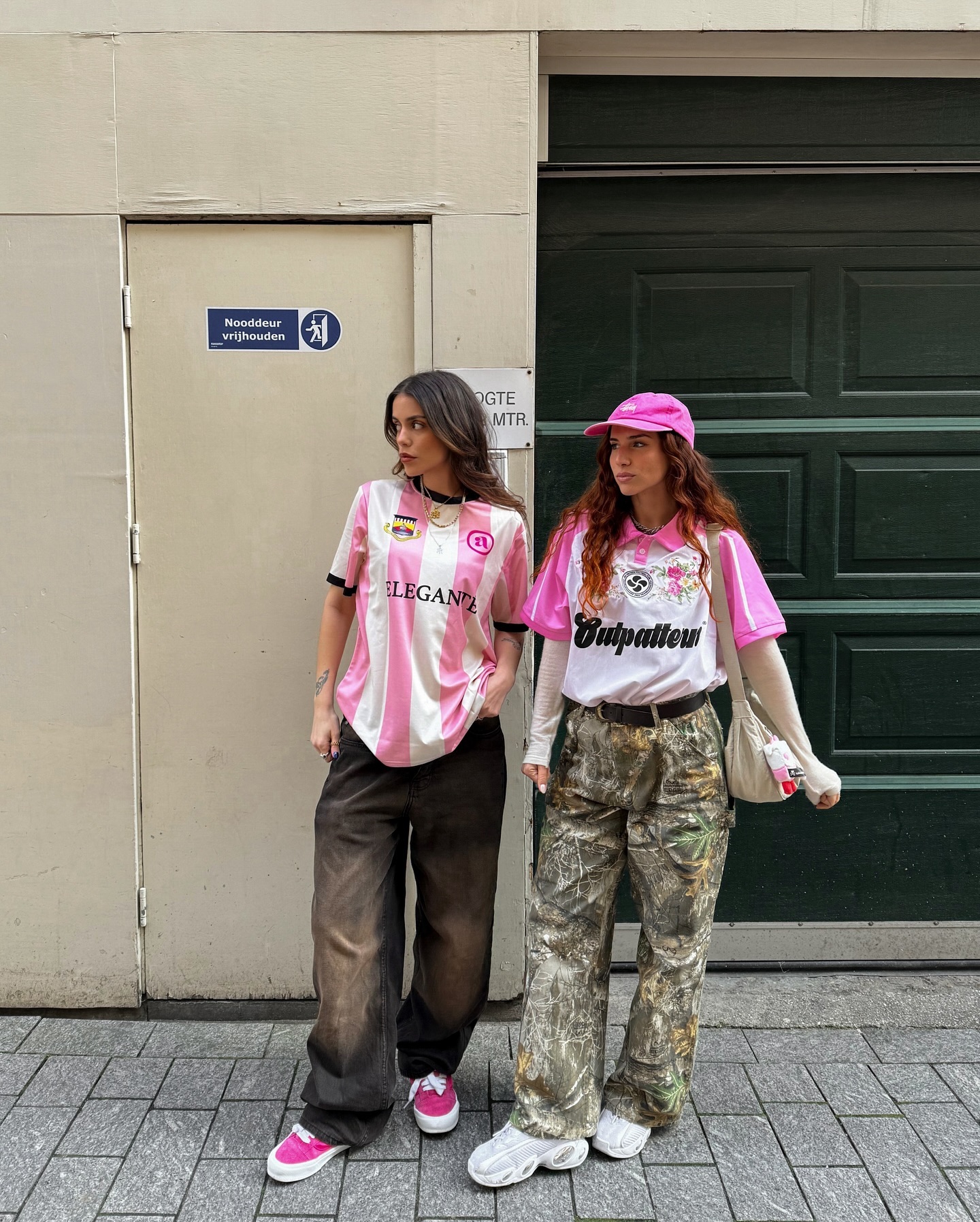
(Image credit: @nadiaidder)
Designer and streetwear collaborations have transformed soccer shirts from supporter merchandise into collectible fashion pieces. In 2026, Nike, Adidas and other sportswear companies worked with fashion designers, artists and independent labels to reinterpret traditional kits through oversized shapes, custom graphics, unusual fabrics and lifestyle-focused storytelling. Vogue highlighted projects including Nike with Palace Skateboards, Adidas with Willy Chavarria and Nike with the Virgil Abloh Archive. These collections combine football heritage with varsity jackets, rugby shirts, tailored tracksuits, graphic patches and street-ready footwear. Resale data also showed strong demand for highly distinctive designs: Adidas’s third Mexico jersey and the Nike x Palace jersey ranked among the tournament’s top-selling soccer products on StockX.
Why the Soccer Streetwear Trend Will Last Beyond the World Cup
Although the World Cup gave the movement a global stage, football jersey streetwear is unlikely to disappear when the tournament ends. The trend connects with larger shifts toward personal styling, vintage sports graphics, global identity and comfortable clothing that still makes a strong visual statement. Jerseys also offer brands an adaptable design format: fictional teams, city-based clubs, cultural symbols, retro numbers and original crests can create the same match-day energy without copying official team merchandise. The strongest future designs will combine recognizable football details with a unique brand story, balanced typography and wearable colors. For US consumers, the soccer jersey has evolved into something broader than fan apparel—it is now a modern streetwear essential capable of representing community, creativity and individual style.
Conclusion
Soccer jersey streetwear is more than a temporary World Cup trend—it represents a broader shift in how American consumers combine sports, culture, nostalgia, and personal identity. From vintage national team shirts to modern designer collaborations, football-inspired fashion offers endless possibilities for expressive and wearable styling. As the trend continues to grow across the US market, brands that focus on original graphics, authentic storytelling, and versatile silhouettes will be best positioned to connect with the next generation of streetwear consumers.